
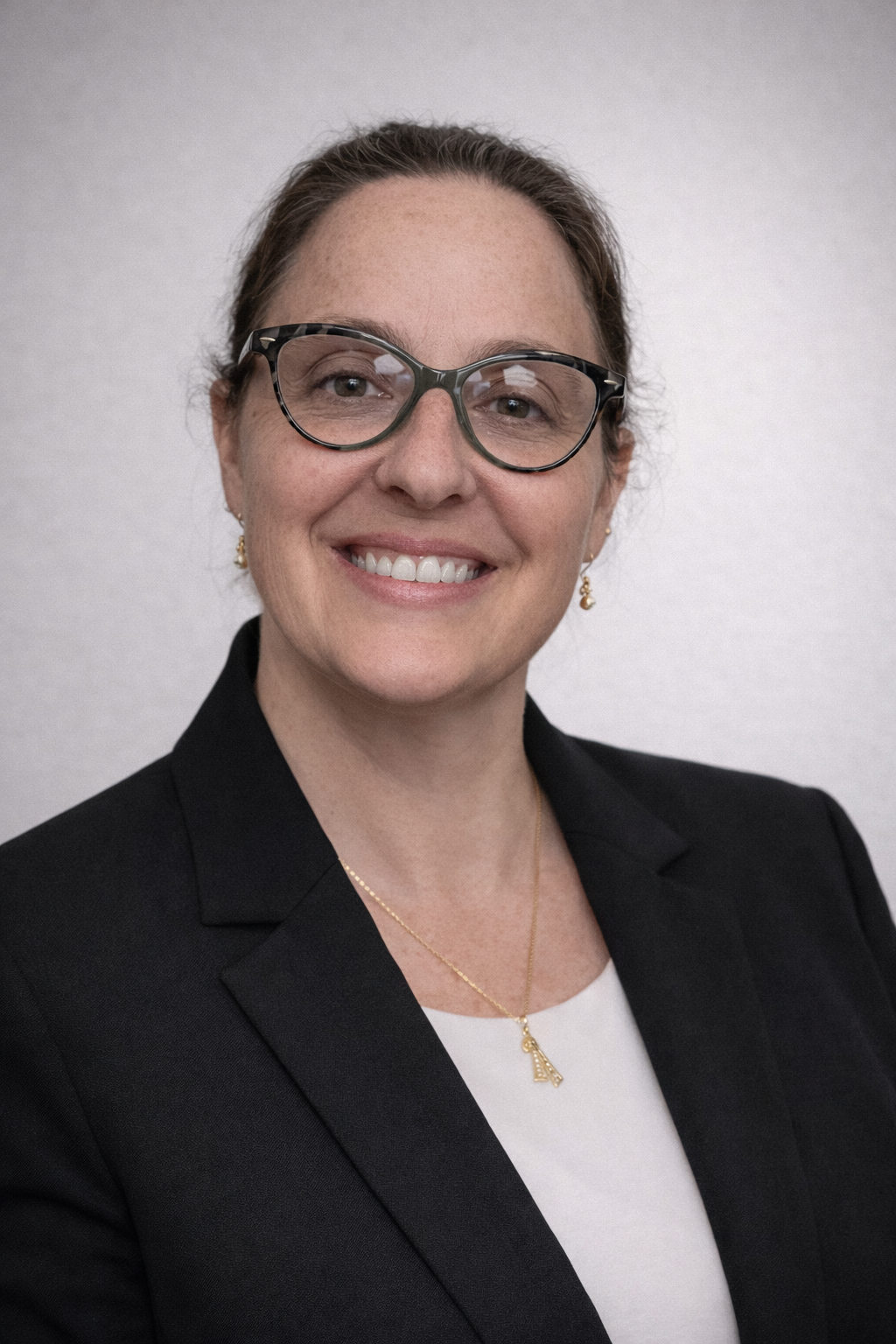
Angie Greer
School Psychology Practicum Student - National University
Hello and Welcome to my webpage that is about me and tools to help support students and their social, mental and academic health

About Me
Hello and Welcome
I am Angie Greer, and I am a School Psychology student with a deep passion for supporting students’ emotional well-being. I believe in helping to create a positive, inclusive school climate. As an aspiring School Psychologist,.
I am committed to fostering students’ social-emotional development and partnering with educators and families to ensure every child feels supported, understood, and empowered to succeed.
When students feel safe, valued, and connected, they are better able to thrive both academically and emotionally, and I am excited to contribute to that work alongside you.
Professional and Educational Experience

National University -
Masters Of Science in School Psychology at National University
August 2024-current
School Psychology Practicum Student at Escondido Union School District 2024-2025 , 2025-currrent
Current Education and Experience
Previous Education and Experience
Substitute Teacher at Escondido Union School District
Bachelors Degree - Business Management
Marriage in Family Therapy (partial)
Work from home mom / school volunteer

Local Community Resources
The Trevor Project: LGTBQ Youth - Crisis intervention and Suicide prevention for LGTBQ youth under 25
Call 1-866-488-7386
Text START to 678-678
California Youth Crisis Hotline: 24/7 support for youth (ages 12-24) and families in crisis. Free and confidential crisis intervention, resources and referrals from youth 12-24. Support for bullying, mental health issues, trafficking, family issues and available in multiple languages
Call (800) 843-5200
Family Urgent Response System (FURS) Call or Text: 1-833-939-FURS - In San Diego 24/7 free, confidential trauma informed support for current/former foster youth (up to 21) and their caregivers. They provide mobile response and follow up.
Call or text 1-833-939-FURS
cal-furs.org
CalHope Red Line - a peer program run by the California Consortium for Urban Indian Health (CCUIH), is a phone, live chat, and video chat service providing National, State, and County resources, referrals, and trauma-informed support for Urban Indian and Tribal populations. These include resources related to stress, anxiety, social services, and financial resources.
Call: 1-888-368-4090
Text: 916-252-5002
CalHope Together Wellness - easy-to-navigate wellness tools, including ones that educate and provide stress-management and coping skills (English, Spanish , Vietnamese, Simplified Chinese , Traditional Chinese, Korean, Tagalog, Armenian, Persian and Arabic
CalHope:Offers a 24/7 peer-run crisis warm line for non-crisis support, emotional encouragement and community resources
Call (833) 317-HOPE(4673) (English)
Call (833) 642-7696 (Spanish)
CalHope.orgprovides housing resources, resources for Veterans, LGTBQ resources, Crisis counseling and substance abuse resources.
Department of Mental Health (DMH) / Mobile Response Team - San Diego
Mobile Crisis Response Team (MCRT) to help you or a loved one if there is a mental health or substance use crisis. Available 24/7, they can come to you anywhere in San Diego County to help
Call 1-888-724-7240
or Call or text 988 (English and Spanish)
Provides safe space conversation about coming out, bullying, and isolation
LGBT National Hotline
lgbthotline.org - have a chat function as well as youth chatrooms
Call 1-800-246-7743
Mon-Friday 11-8pm Pacific time , 2p-11pm Eastern
Sat 9-2pm Pacific, Noon-5pm Eastern time
Trans Lifeline- A peer-support hotline run by trans people for trans and questioning peers.
Call 877- 565-8860
Mon-Friday 10a-6pm Pacific time , 1p-9p Eastern
National Runaway Safeline - Youth crisis and prevention available 24/7. Confidential and nonjudgmental and access to resources. Call , chat, email, text.
Access to a free ride home home free (partnered with Greyhound)
TEXT 1-800-786-2929
Call 1-800-RUNAWAY
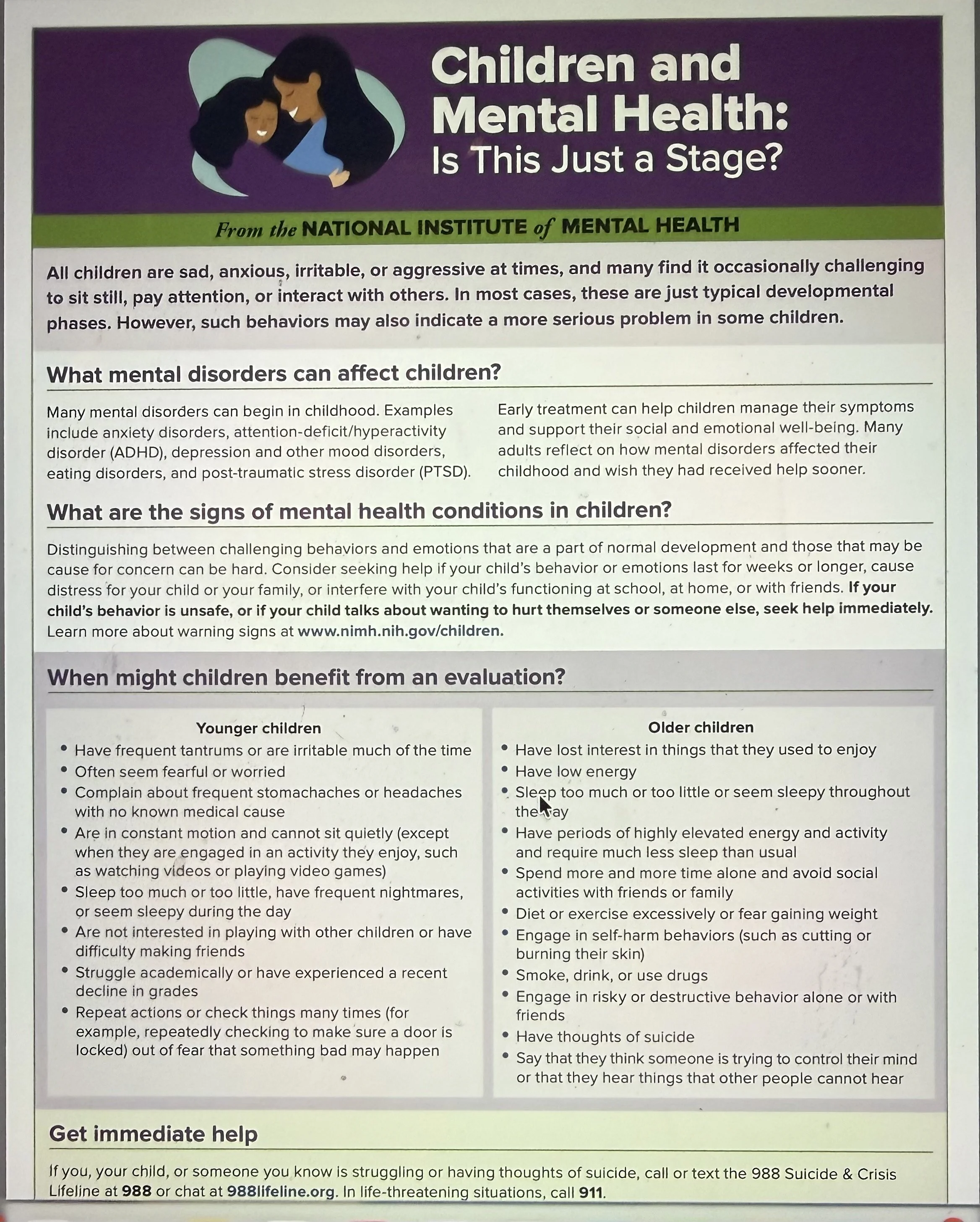
Knowing, Is this just a stage?
For older and younger children
All children have varying emotions and it can vary depending on times, environment or age. Being able to see the different signs and possible symptoms can help adult champion for students.
Younger children can show very different symptoms and depending on if a child has a disability can vary greatly. It is always a good idea to be a supporter of your child through understanding the ways that if can affect children throughout their development.
https://www.nimh.nih.gov/health/publications/children-and-mental-health?utm_campaign=shareNIMH&utm_medium=Portal&utm_source=NIMHwebsite
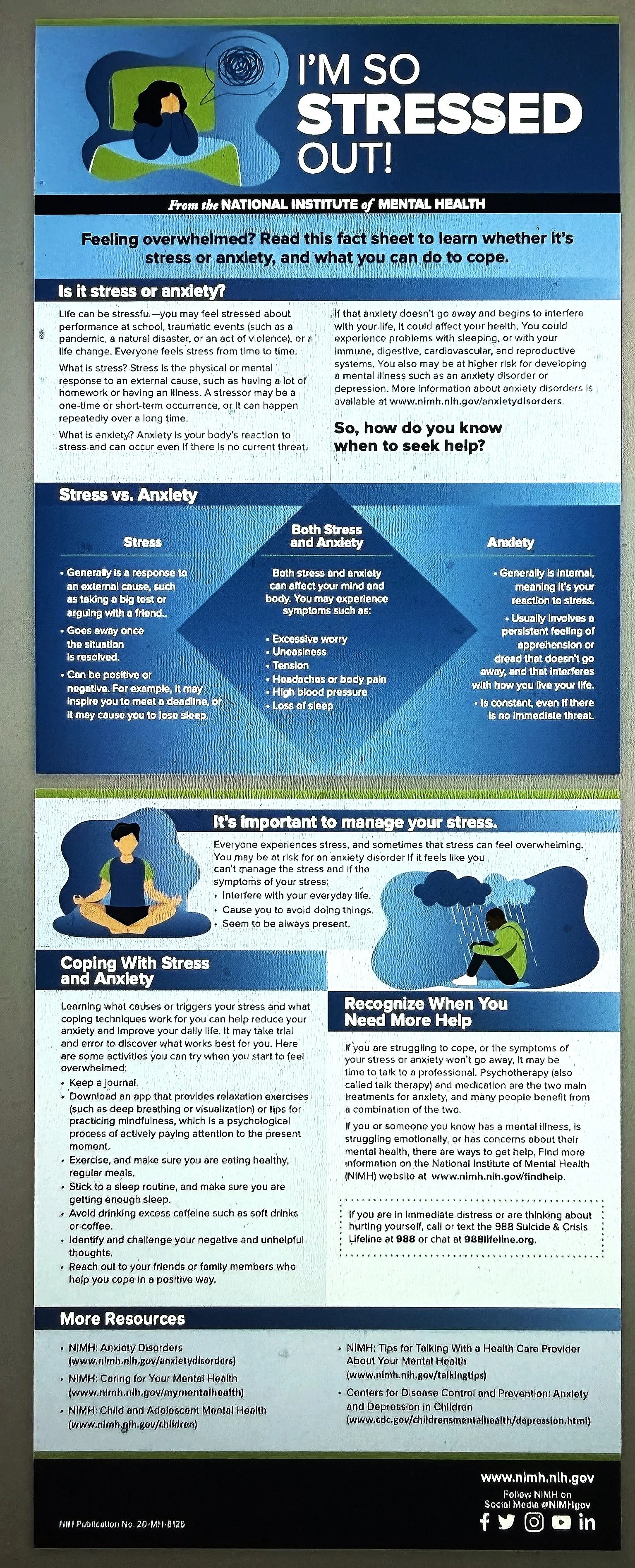
Stress or Anxiety ?
Helping students to understand their emotions is vital to their success in the classroom.
A student is able to identify an emotion is stress or anxiety helps them to understand how and what they are feeling.
Once a student knows how to deal with issues or problems that come their way they can focus on their academics successfully.
https://www.nimh.nih.gov/health/publications/so-stressed-out-fact-sheet?utm_campaign=shareNIMH&utm_medium=Portal&utm_source=NIMHwebsite
Mental Health Resources for children and adolescents
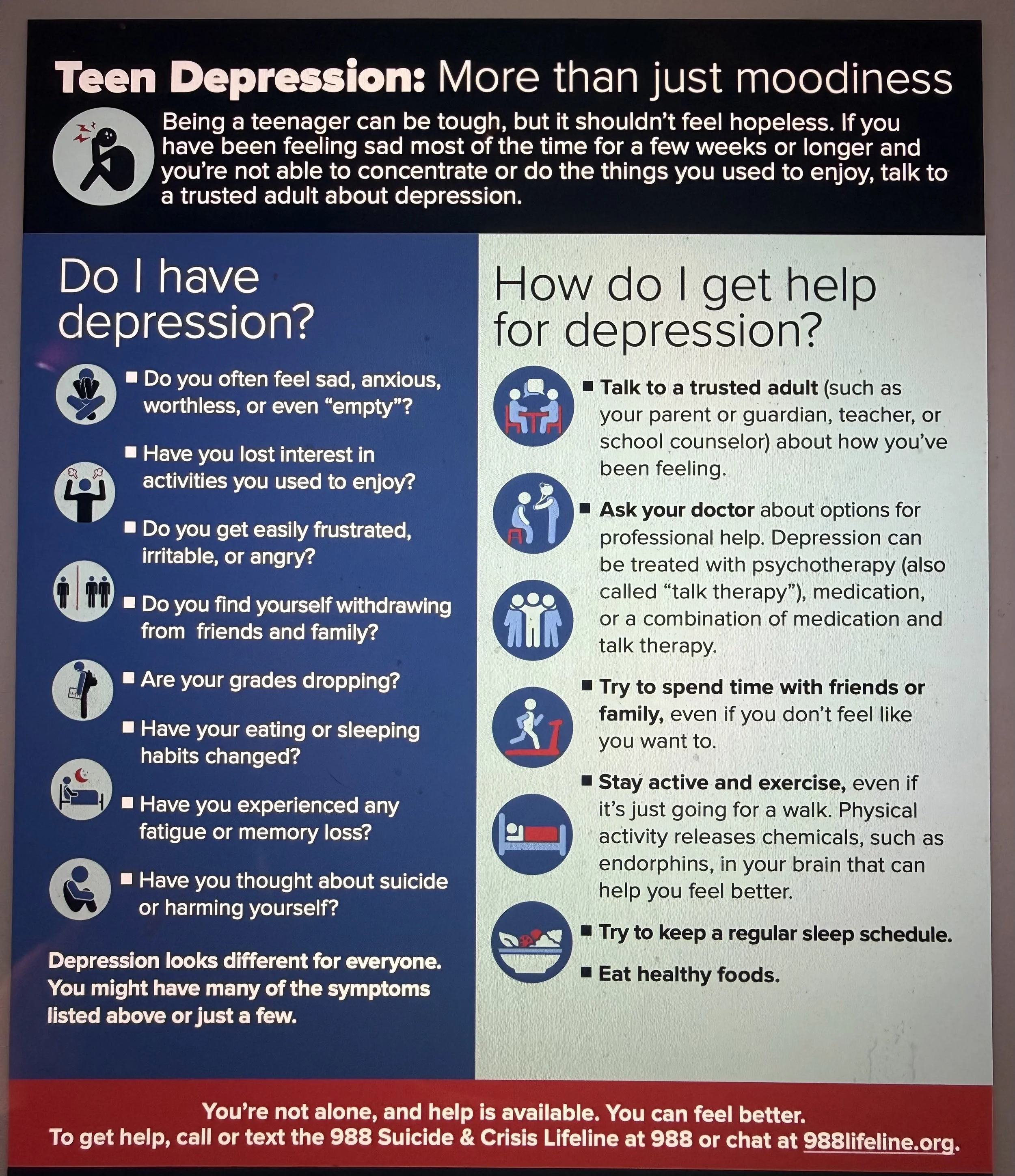
Teen Depression
The National Institute for Mental Health explains
Teen depression can look different for each person.
Anyone can help anyone !
Teen girls and boys may look different in how they express it but as parents, teachers, friends and/or health care providers we need to be vigilant.
Let's help a teen navigate their emotions so they can be prepared in their academic journey
If a teen does not want a person personal help. Call the life or chat to get the help needed
https://www.nimh.nih.gov/health/publications/teen-depression?utm_campaign=shareNIMH&utm_medium=Portal&utm_source=NIMHwebsite
Therapeutic Approaches
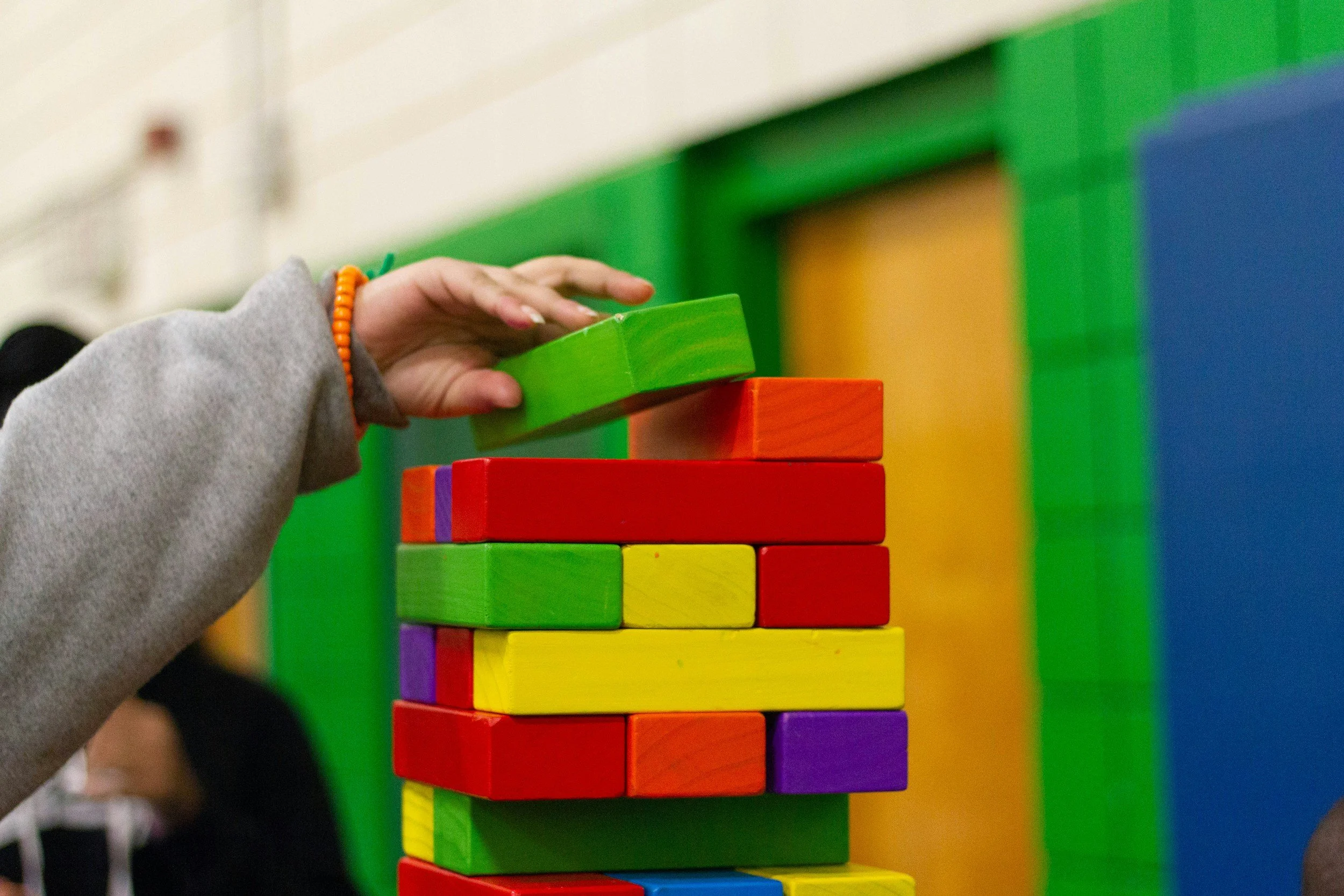

Rational Emotive Behavior Theory
Play Therapy

Cognitive Behavioral Therapy

Cognitive Behavior Therapy focuses on the relationship between feelings, thoughts, beliefs, and behaviors.
You help the child to challenge negative or inaccurate thoughts and them help them to restate them in logical, positive terms.
It can help people change routines, habits, and behaviors to improve your mood.
positivepsychology.com
Play therapy is an approach that helps children and families express emotions, improve communication, and solve problems through play. This can be done with dolls, or puppets and has shown in kids that it can help reduce trauma and loss, reduce anxiety and depression, help with behavioral issues, and improve a child’s ability to manage social and academic difficulties
positive psychology.com


Choice and Reality therapy
Trauma-Focused Cognitive Behavioral Therapy
Choice and Reality therapy believes that the source of almost all human problems is due to unsatisfactory or non-existent connections with important people. Reality therapy helps the person to reconnect.
Focus on the present , not the past as it can’t be changed
Focus on act and thinking in a nonjudgmental and noncritical way.
Focus on ways to help the person find connectedness.
www.wglasser.com
This therapy targets harmful or destructive thoughts and feelings, using concepts such as the ABC model ("A" stands for "activating event or adversity," "B" stands for "beliefs," and "C" stands for "consequences") to identify and dispute irrational beliefs.
Focus on the present and is a brief therapy that helps clients find rational beliefs to their irrational ones.
https://www.ncbi.nlm.nih.gov/books/NBK609098/#:~:text=Rational%20emotive%20behavior%20therapy:%20This,by%20observing%20others.%5B15%5D
Trauma focused CBT is used to help children with trauma or abuse by using sensitive interventions and cognitive-behavioral principles to process the trauma to reduce further issues such as PTSD.
Better help explains that its about:
Teaching a client about reactions to trauma, which may lessen shame or guilt
Coping skills education: Teaching breathing exercises, acceptance, and reframing thoughts
Exposure therapy: Reintroducing the traumatic memory to a client and helping them learn to react to it more productively
Cognitive interventions: Focusing on catching negative thoughts and replacing them with more positive thoughts
better help.com
Motivational Interviewing
Motivational Interviewing was initial developed by William Miller for those with an alcohol dependency.
It can be used to help those with issues that struggle with obesity, healthy eating, medication compliance to help them to motivate for change by being empathic, listening and reinforce the persons reason for change.
Helps the client in handling resistance, help them to understand and expanding change and build motivation
positivepsychology.com

Group vs. Individual Counseling
Benefits of Group Counseling
Benefits of Individual Counseling
https://www.papsychotherapy.org/blog/group-therapy-vs-individual-therapy-which-is-right-for-you
Sense of belonging
A client in counseling can learn to understand how to connect with others through shared experiences and a validation of their own feelings
Development of interpersonal skills
Help to develop healthier ways to communicate through active listening and understanding how to solve conflicts with their peers.
Supportive Community
Being able to support others while increasing their social circle and being able to understand different perspectives and holding themselves and others accountable
Personalized attention
A therapist is able to tailor the therapy to the client and address their needs in a safe and one one environment without having to worry about others opinions or issues
Tailored interventions
A therapist is able to target which therapy is best utilized with each client such as Play therapy, Cognitive Therapy, Trauma Focus or Reality Therapy to help the client with their challenges
Focused exploration of issues
Being able to focus solely on the clients issues helps a therapist to gain an greater depth of knowledge and sharing of intimate thoughts or feelings that a client may not feel comfortable sharing in a group environment
Group vs. Individual Counseling:
Choosing the Right Approach
When to choose
Group Counseling
A social skills group for a group of teen girls to work on issues related to their lives as school:
This can help with boundaries through role playing
Able to discuss issues their peers may have and be able to relate to to in a a safe environment
Help build self esteem, awareness as well increase social circle of friends
A weekly therapy session with a teen dealing with assault or substance abuse
Topics may be to personal to share
Being able to utilize one on one strategy and tailor to the clients issues
Topics may to sensitive for others to hear or know how to deal with
Help build awareness of themselves and their emotions and the complexity of trauma or issues
When to choose Individual Counseling
https://www.papsychotherapy.org/blog/group-therapy-vs-individual-therapy-which-is-right-for-you
Attention problem and mindfulness
The research study examined the effectiveness of a mindfulness-based attention group with elementary school students struggling with attention problems.
The results revealed that students in the intervention group were more likely to improve their on-task behavior and decrease their attention problems during the group then those that were not apart of the group.

Effectiveness of Solution Focused therapy in Schools
The research examined the effectiveness of solution-focused therapy with children in a school setting.
Solution-focused therapy services were provided to school age children with learning disabilities and behavioral issues.
The results show that after solution-focused therapy was implemented that the students had positive changes in their behavior.
https://doi.org/10.1177/104973150101100401

Effectiveness of using CBT with students
A study was the effect of Cognitive Behavior Therapy(CBT) on Elementary School , Middle School and High School. The research showed the highest rate of effectiveness of CBT was on middle school students and with licensed professionals not teachers. This results show that a professional therapist delivering CBT therapy can help students.
“https://link.springer.com/article/10.1007/s10964-022-01684-4
Exploring Solution Focused Counseling
What is Solution Focused Counseling?
Solution focused therapy is a goal oriented approach that school psychologists use to help empowering students. It helps students to use their strengths instead of focusing on the problems. This is a short term goal oriented approach that believes that the client already has the tools they need to be successful they just need to see and use their strengths.
Scaling Questions, Exceptions and Miracle Question
What are you proud of ?
Highlighting the positives about themselves and what they do
What did you did you accomplish to become proud of yourself? How did you accomplish that?
Helping the client identify that there may be steps involved and practice and time.
When have you been successful or unsuccessful at this before ?
Showing them a pattern of being able to accomplish their goals.
Showing them the positives in what they already do or do not do
When have you done this and how did that feel ? How did people treat you differently ?
Noticing how it can feel when done and that positive feeling they get from themselves as well as positive reinforcement that they get from others
What would happen if tonight when you went to sleep and you woke up in the morning and the problem was gone?
Being able to see that a different future as well as what they could change to have a different future without the problem
https://solutionfocused.net/what-is-solution-focused-therapy/
https://theresponsivecounselor.com/2024/09/solution-focused-counseling-activities-for-school-counselors.html
Exploring Solution Focused Counseling : Solution-Focused Brief Therapy for Students in Schools: A Comparative Meta-Analysis of the U.S. and Chinese Literature
According to the study Solutions Focused Therapy was done on students in the United States of America and in China. They explain that SFT has been utilized in schools since the early 1990s and they that in conducting the study the SFT will be a successful intervention in the school setting. The study was implemented on a wide range of ages of students K-12 and postsecondary education settings,
The study was analyzed both in China and the US. The reason that they utilized SFT in China is the alignment with asian values and to help reduce the stigmatization around therapy. It can be seen a therapy that normalizes human behavior and the response to the trauma that a client has endured. It also is short term, future focused and action oriented that also aligns with asian values. The goals are also client directed and not therapist given which helps with the autonomy of the client. The review of the data showed that SFBT works best when delivered in a group setting. The study also showed that it can be effective for problems related to internalizing, academic, and interpersonal issues. The study was conducted across age levels from K–12 and postsecondary education and was shown as effective. The study shows that although it is an effective intervention it was not more or less effective than other interventions, but something that should be utilized with students as an intervention across multiple ages and in different academic settings.
https://solutionfocused.net/what-is-solution-focused-therapy/
https://theresponsivecounselor.com/2024/09/solution-focused-counseling-activities-for-school-counselors.html
https://www.journals.uchicago.edu/doi/full/10.1086/712169

Exploring Mindfulness Counseling
Mindfulness techniques
Mindfulness breathing - pay attention to your breathing (breathe in and breathe out for a count of 10, do your feelings when you close your eyes have different colors)
Mindful observation -observe your surroundings and notice details, sounds and sensations without judgment ( sitting in a different spot, how the desks are arranged, messy or dirty)
Mindfulness listening - focus on sounds or music (hear the sounds of the bird chirping outside)
Is a non-judgmental, present-moment awareness of breathing, observations, thoughts, feelings, and bodily sensations that help to reduce stress, anxiety, depression and pain.
Help the client gain acceptance, patience for themselves and present moment awareness and in a non-judgmental way. Several techniques to help the client be more aware and conscious of themselves and aide them in self compassion through self-observation and treats anxiety and depression.
Role of Mindfulness in Reducing Childhood Stress
The Role of Mindfulness in Reducing the Adverse Effects of Childhood Stress and Trauma
The study was conducted on a wide range of students from elementary school age children to young adults aged 20 years old. There was a wide range of school children and those in underserved populations. The researchers explained that schools were chosen to be able to reach a wide range of student ages, socioeconomic status and developmental stages and stressor exposures.
The researchers explained that the mindfulness interventions lead to enhanced coping and resilience in the children regardless of their “trauma exposure". It also was suggested in the article that high-quality, structured mindfulness interventions improve mental, behavioral, and physical outcomes in youth as well as adults. They suggest that further research should be conducted on the effects of mindfulness counseling on children and young adults and how that passes onto their offspring.
Ortiz R, Sibinga EM. The Role of Mindfulness in Reducing the Adverse Effects of Childhood Stress and Trauma. Children (Basel). 2017 Feb 28;4(3):16. doi: 10.3390/children4030016. PMID: 28264496; PMCID: PMC5368427.

Exploring Cognitive Behavioral Therapy (CBT)
Cognitive Behavioral Therapy
Is a structured goal oriented form of talk therapy that treats mental health conditions by changing negative thought patterns and behaviors. It is helpful in promoting students social-emotional wellbeing in pre-K12 education.
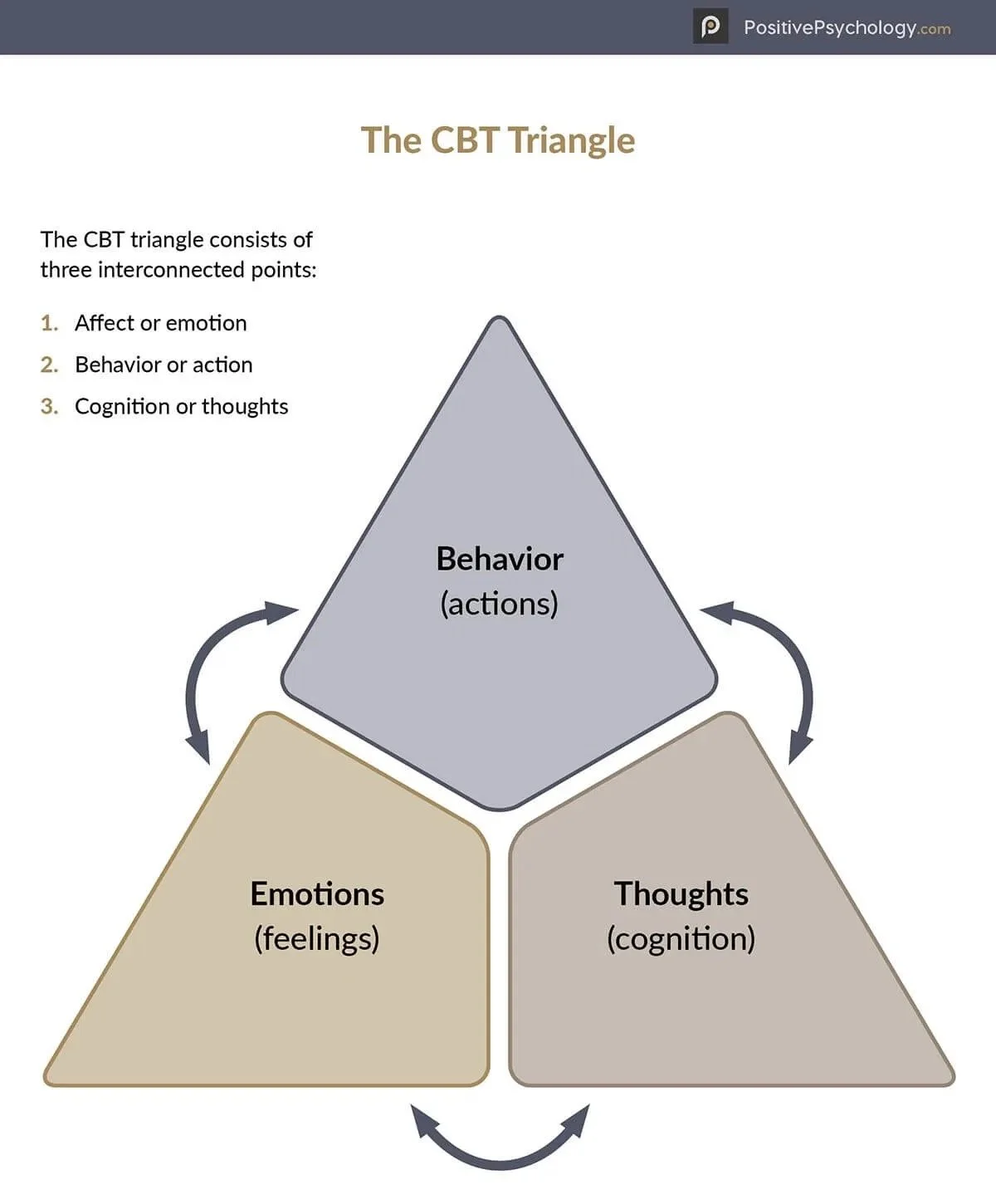
The CBT triangle shows the connection between thoughts , feelings and behaviors
*
The CBT triangle shows the connection between thoughts , feelings and behaviors *
Benefits
Helps to build skills (social/emotional)
Empower individuals
Help break down things into smaller parts
Challenge negative thoughts and look at themselves more realistically
Treats depression, anxiety, substance abuse, ADHD and pain.
Techniques
Cognitive Restructuring - Identifying and challenging irrational, automatic thoughts
Behavior Modification ( specifically behavioral activation )
Encouraging engagement in activities to combat depression
Mindfulness - techniques like listed before deep breathing , observing and listening
Exposure therapy - Gradually facing fears in a controlled environment
Journaling - Thought Diary (Catch it, check it and change it)
CBT
Examining the effectiveness of trauma-focused cognitive behavioral therapy on children and adolescents' executive function
The study was conducted on a wide range of ethnically and racially diverse students with trauma histories from elementary school age children to young adolescents and their caregivers. It was conducted to see the effects of CBT on these students and their caregivers and if the CBT therapy improved their executive functioning. Students with trauma often have issues with executive functioning in relation to their emotional regulation. The study was designed to help with skills necessary to help them with the emotional regulation, attention control and problem solving. The results of the study show that CBT therapy help to reduce the symptoms of PTSD in adolescents but not small children. Of the younger children 135 that started 77 completed the counseling. in the adolescents of the 143 , 55 completed the counseling. The only students that were recorded in the findings were those who completed at least one session. The results of the study show that there is a large difference on their executive functioning in relation to those who did not complete the study. The study showed that trauma focused CBT does work on executive functioning when a student and their caregiver are enrolled in a community based effective therapy model.
Lee, A. H., & Brown, E. (2022). Examining the effectiveness of trauma-focused cognitive behavioral therapy on children and adolescents’ executive function. Child Abuse & Neglect, 126. https://doi.org/10.1016/j.chiabu.2022.105516